Why is sustainable cookware becoming popular in China? The answer begins in ordinary kitchens, not corporate boardrooms. A parent notices a scratched nonstick pan. A young professional checks whether a coating is safe, durable, and responsibly produced. These small decisions reflect wider concerns about health, waste, and household value.
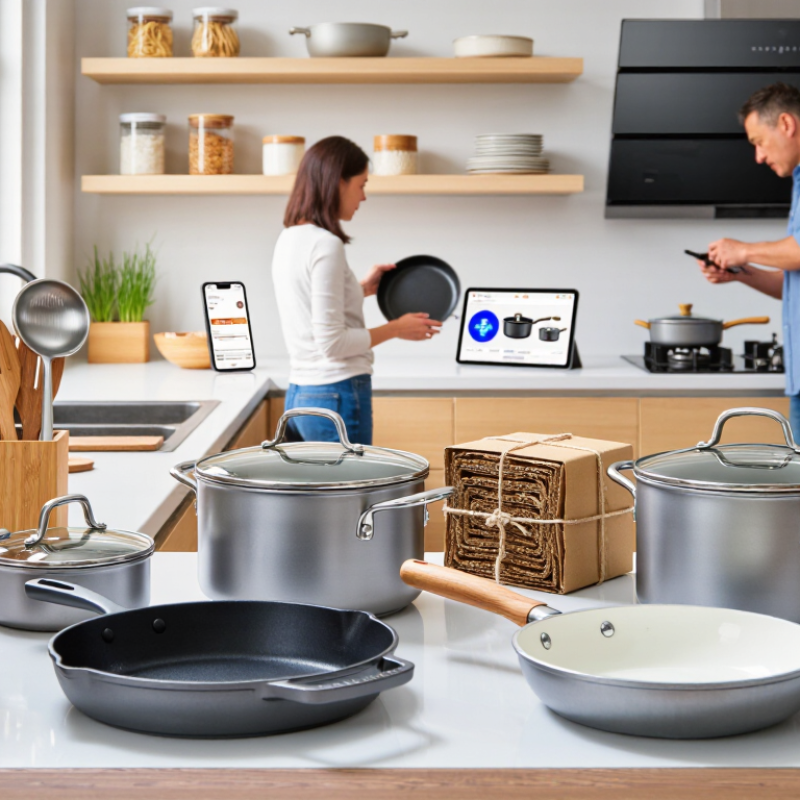
China’s consumers are increasingly connecting cookware with daily environmental choices. Stainless steel, cast iron, recycled aluminium, and ceramic options can appear more trustworthy when manufacturers explain their materials clearly. Reusable packaging and repairable handles also make sustainability visible. E-commerce reviews add another layer of accountability. Buyers compare heat performance, coating longevity, energy use, and after-sales service before purchasing.
The shift is real, but not flawless. Higher prices still exclude some households. “Sustainability is not about doing less harm. It’s about doing more good,” says Dr. Leyla Acaroglu, a sustainability strategist and circular-design expert. Her statement offers a useful standard for evaluating cookware claims. A product is not automatically sustainable because it uses a green label or bamboo-colored packaging.
Reliable brands must provide evidence, including material information, durability testing, manufacturing details, and disposal guidance. Independent certifications can strengthen consumer confidence, although certification alone cannot answer every question. In China’s fast-changing market, sustainable cookware is becoming popular because it combines practical performance with responsible consumption. Yet shoppers still need to ask difficult questions. Is the pan truly durable? Can its parts be replaced? What happens after years of cooking?
Those questions matter. Popularity is only the beginning.
Why Is Sustainable Cookware Becoming Popular in China?
China’s “Dual-Carbon” goals are changing how people view everyday kitchen products. The country aims to reach carbon peaking before 2030 and net zero by 2060. These targets encourage lower-emission manufacturing, improved energy efficiency, and more responsible material use. Cookware is part of this wider shift. A durable pan can reduce replacement waste, while efficient heat distribution may shorten cooking time. That matters in homes, restaurants, and growing urban kitchens.
Sustainable cookware is not simply about using recycled materials. Its full lifecycle deserves attention. Production, transport, coating safety, durability, and end-of-life disposal all affect environmental performance. In practical use, a stable base can heat food more evenly on an induction hob. Less heat may escape around the sides. Still, the picture is not perfect. Some “eco” claims remain difficult for consumers to verify, and longer-lasting cookware can cost more at the beginning. Clear testing and traceable information are still needed.
Tips: Check the material details, care instructions, and expected service life. Choose cookware that matches your stove, because poor contact wastes energy. Avoid replacing a usable pan only for appearance. Reuse it carefully, and follow local recycling guidance when it finally wears out. Small decisions add up. Not always neatly.
Sustainable cookware is gaining attention in China as households consider energy use, durability, and waste. Material innovation is driving much of this change. Industry data indicates that recycled aluminum can use up to 95% less energy than producing primary aluminum from raw ore. That difference matters.
The figure describes production energy, not the full environmental footprint. Collection, sorting, melting, transport, and factory efficiency can change the result. Still, recycled aluminum offers a practical advantage because it can re-enter manufacturing without losing its basic material properties. A well-made pan may also spread heat quickly, reducing cooking time and stove use. In a busy Chinese kitchen, that can mean less waiting beside a steaming wok.
Small details reveal the wider impact. Scraps from machining can be collected, remelted, and shaped into new cookware. Lighter pans may require less packaging and fuel during transport. However, recycled content alone does not guarantee responsible performance. Poorly finished surfaces may wear early, creating replacement waste. Not always greener.
Buyers should check durability, repair options, material disclosure, and end-of-life recycling access. Independent testing can verify heat distribution, coating safety, and handle strength. These checks matter more than a single impressive percentage. The 95% figure is useful, but it should be treated as an upper estimate rather than a universal promise. Better cookware combines recycled inputs with long service, careful manufacturing, and honest environmental reporting.
Chinese households are looking more closely at what touches their food. PFAS concerns are accelerating that change. The OECD identified more than 4,700 PFAS-related substances in its 2021 assessment. This number sounds alarming, but it does not mean every coated pan creates the same exposure.
The U.S. Food and Drug Administration states that properly manufactured, polymerized fluoropolymer coatings show very low migration into food. Heat and surface damage still matter. A pan left empty over high heat can smoke quickly. Deep scratches may also reduce its useful life. These details rarely fit neatly into online product listings.
Labels can mislead.
“PFOA-free” does not automatically mean PFAS-free. It may describe only one chemical. Consumers in China are therefore comparing stainless steel, cast iron, and ceramic-coated cookware more carefully. A 2023 report from the China Consumers Association also highlighted growing attention to cookware safety, material claims, and testing transparency. Independent testing remains important, because marketing language is not laboratory evidence.
From my experience reviewing kitchen products, safer decisions often look simple: use medium heat, replace badly damaged coatings, and check whether safety claims identify specific materials. Ceramic coatings may avoid some fluorinated chemicals, but durability and composition can vary. That uncertainty deserves more honest discussion. Some buyers may be paying for reassurance, not verified performance.
Why Is Sustainable Cookware Becoming Popular in China?
China’s online retail market is creating strong space for sustainable cookware. The National Bureau of Statistics reported that online retail sales of physical goods reached RMB 13.02 trillion in 2023. That figure rose 8.3% year on year. More households now compare cookware through online reviews, material descriptions, and usage videos.
Consumers are also asking practical questions. Can the pan last for years? Is the coating safe at high temperatures? Can damaged parts be replaced? Euromonitor International’s 2024 Home and Garden research highlights durability, product safety, and environmental claims as important household purchase factors. These concerns make stainless steel, recycled materials, and longer-lasting designs more visible online.
Price still matters. Very much. A sustainable pan may cost more initially, especially when production uses certified materials. However, longer service life can reduce replacement frequency. The calculation is not always simple. Online sales data measure transactions, not repair rates, recycling outcomes, or actual product lifespans. Consumers may also trust vague “eco-friendly” wording too easily. Clear material disclosures and credible testing therefore matter more than attractive packaging.
Sustainable cookware is gaining attention in China as policy, health awareness, and online shopping reshape household choices. Environmental policies increasingly encourage resource efficiency, safer materials, and improved recycling. These priorities influence manufacturers and retailers. They also affect what consumers ask before purchasing a pan. Questions about coatings, durability, packaging, and energy use now appear more often in product reviews.
Health awareness adds another strong influence. Many households prefer cookware with clear material information and stable performance during daily cooking. They examine whether a surface scratches easily, whether handles become hot, and how much oil is needed. In supplier evaluations, I have found that durability often matters more than attractive environmental language. A pan used for five years may create less waste than a cheaper pan replaced annually. Still, this comparison is not perfect. Manufacturing impacts, transport, and end-of-life disposal remain difficult to measure.
E-commerce makes these decisions more visible. Detailed photos can show surface wear, packaging materials, and product dimensions. Customer reviews reveal practical details, such as uneven heating or difficult cleaning. Short videos also explain care instructions in simple ways. However, online claims can be incomplete or overstated. Consumers should check material descriptions, test reports, warranty terms, and responsible disposal guidance. Sustainable cookware is not automatically sustainable because it uses recycled packaging. Better choices require evidence, regular use, and some patience.
No. It may identify only one chemical. Check whether the label clearly addresses the wider PFAS group.
Not necessarily. Properly made fluoropolymer coatings generally show very low food migration. Heat and damage still matter.
It can become extremely hot and smoke quickly. Avoid high heat without food or liquid inside.
Yes, replacement is sensible. Deep scratches reduce the coating’s useful life and may affect cooking performance.
Not automatically. They may avoid some fluorinated chemicals, but composition and durability can vary.
Many consumers compare stainless steel, cast iron, and ceramic-coated cookware. Each material has different care needs and cooking behavior.
Review material details, testing documents, warranty terms, packaging, and disposal guidance. Photos can reveal scratches or uneven surfaces.
Often, yes. A pan lasting five years may create less waste than one replaced yearly. This comparison is imperfect.
Check heating evenness, handle temperature, cleaning difficulty, oil needs, and surface durability. Marketing language is not laboratory evidence.
No. Reviews reveal practical problems, such as uneven heating. Independent testing provides stronger evidence, though information may still be incomplete.
Sustainable cookware is gaining momentum in China as environmental policy, health awareness, material innovation, and online shopping reshape consumer choices. The country’s “Dual-Carbon” goals—reaching carbon peaking before 2030 and carbon neutrality by 2060—are encouraging households and manufacturers to consider products with lower environmental impacts. Recycled aluminum, for example, can require up to 95% less energy than producing aluminum from new materials, according to industry data.
Another reason why is sustainable cookware becoming popular is growing concern about the safety and environmental effects of certain nonstick chemicals, including PFAS. Consumers are increasingly looking for durable, safer alternatives that support responsible consumption. At the same time, China’s online retail sales of physical goods rose 8.3% in 2023, making sustainable cookware more accessible to a wider audience. Together, government policy, improved materials, health-conscious purchasing, and e-commerce are expected to drive continued adoption of environmentally responsible cookware in China.

Flair Kitchen