How to Choose Cookware With Features Chefs Prefer?

Time:2026-09-27 Author:Oliver
0%

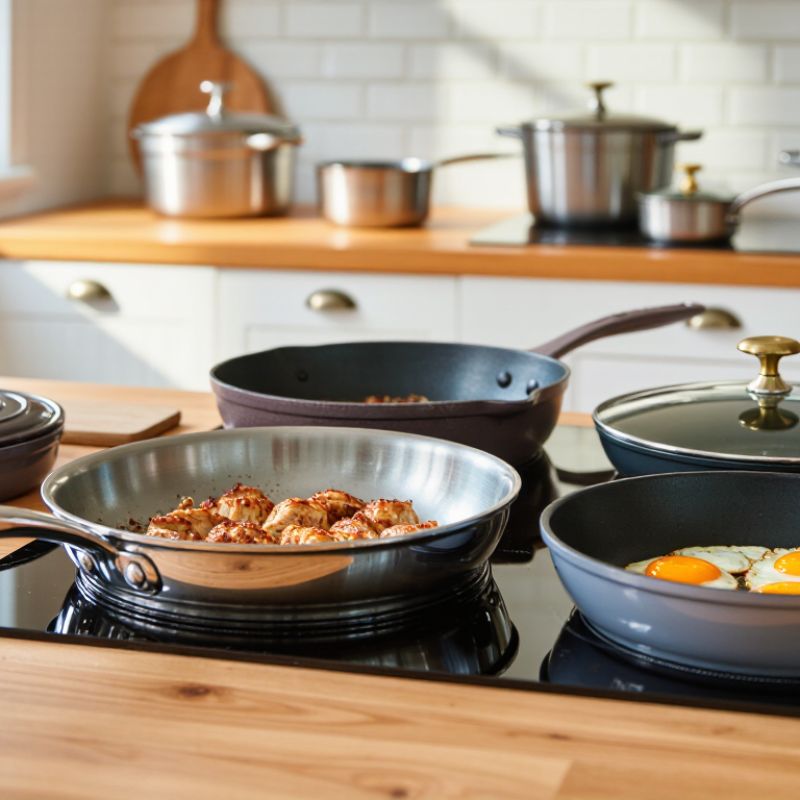
Choosing cookware is less about owning a kitchen full of shiny pans and more about matching tools to real cooking. A skillet that heats evenly can brown chicken without leaving pale patches. A sturdy handle should stay comfortable when the pan is full. And a lid that fits closely can help keep moisture where it belongs.

So, what cookware features do chefs prefer? They tend to value reliable heat control, durable construction, practical weight, and surfaces suited to particular tasks. Stainless steel is useful for searing and building pan sauces. Cast iron holds heat well, while nonstick can make eggs and delicate foods easier to release. No single material does everything. That part is easy to overlook.

Chef and food writer Anthony Bourdain once said, “Good food is very often, even most often, simple food.” His observation points to a useful cookware principle: dependable basics can matter more than complicated extras. Still, the best choice depends on your stove, cooking habits, cleaning preferences, and budget. A heavy pan may feel reassuring in a restaurant kitchen but tiring at home. I might even choose differently after a week of washing it.

This guide explores the features that help cookware perform consistently, from heat distribution and handle design to maintenance and compatibility. It also separates practical advantages from marketing claims, so you can choose pieces that suit your kitchen—not an imaginary one.

How to Choose Cookware With Features Chefs Prefer?

Identify Your Cooking Needs and Habits

How to Choose Cookware With Features Chefs Prefer?

Identify Your Cooking Needs and Habits

Start with the meals you actually cook, not an idealized kitchen routine. Do you sear chicken on high heat, simmer soup for an hour, or make quick eggs before work? A heavy pan may hold heat well for searing, but it can feel tiring if you lift it often. A small saucepan suits oatmeal and sauces; a wide skillet gives vegetables room to brown instead of steam. Count your usual burners, too. A crowded stovetop can make oversized cookware awkward.

Your habits matter more than a long feature list. The U.S. Bureau of Labor Statistics’ 2023 American Time Use Survey reports that people spent an average of about 40 minutes daily on food preparation and cleanup. That time includes more than cooking, but it’s a reminder to consider handling and washing. Think about whether you cook daily, batch-cook on Sundays, or rely on one dependable pan. I still find that I sometimes buy for recipes I rarely make. Worth questioning.

Tips: Before buying, note your three most-cooked dishes and how you clean up. Check pan weight in person, test the handle’s balance, and confirm it fits your stove and storage space. A dishwasher-safe label may be convenient, but follow the cookware maker’s care instructions.

Compare Cookware Materials and Heat Performance

Cookware material changes how quickly a pan heats, how evenly it cooks, and how much attention it needs. Stainless steel is durable and responsive, though thin pans may develop hot spots. A thick, layered base can spread heat more evenly. Watch the oil shimmer before adding food; if it smokes immediately, the pan is likely too hot.

Cast iron holds heat exceptionally well, making it useful for searing and steady browning. It warms slowly, though, and stays hot after leaving the burner. That lag can surprise you. Carbon steel heats faster and feels lighter, but it also needs careful drying to limit rust. Both materials reward patience more than constant knob adjustments.

Aluminum conducts heat quickly, so it responds promptly when you lower the flame. It can be paired with other materials to improve durability and heat distribution. Nonstick surfaces release delicate foods easily, but excessive heat can shorten their useful life. There is no perfect pan. I used to assume heavier always meant better; that was too simple. Match the material to your cooking habits, burner type, and willingness to maintain it. A pan that heats evenly on a gas flame may behave differently on an induction cooktop, so check compatibility before buying.

Assess Construction, Durability, and Compatibility

How to Choose Cookware With Features Chefs Prefer?

Assess construction, durability, and compatibility before choosing a pan. A thick, flat base helps spread heat and resist warping. Hold the handle, too: it should feel secure when the pan contains food. Stainless steel tolerates frequent use, while coated surfaces need gentler utensils and care. No material is perfect. I still find weight easy to underestimate until a full pan feels awkward to lift.

Cooktop fit matters. For induction, cookware must have a magnetic base; test it with a refrigerator magnet. The U.S. Department of Energy reports that induction cooking transfers about 85% of its energy to food, compared with roughly 32% for gas. That efficiency depends on compatible cookware and good contact with the cooking surface. Check the manufacturer’s temperature limits before moving a pan from stovetop to oven, and confirm that its handles are oven-safe.

Tips: Look for a level base, sturdy rivets, and a clear oven-temperature rating. Bring a magnet when shopping for induction cookware. If the pan rocks on a flat counter, reconsider it. Compatibility claims can be vague, so verify the details; I sometimes forget this and regret it later.

Check the Features Professional Chefs Prefer

Professional chefs often choose cookware that responds predictably, not cookware with the most features. A thick, flat base helps spread heat and reduces scorching beneath sauces. Check that the pan sits steadily on your stove and feels balanced when lifted. A comfortable handle matters during repeated tossing, though a heavier pan may offer steadier heat. Try the grip with a dry hand before buying. Small details count.

Look for materials suited to the food you cook. Stainless steel is useful for browning and pan sauces; a well-seasoned surface releases eggs and delicate fish more easily. Neither option does everything. That is worth remembering. A lid that fits closely can retain moisture, while a rim shaped for pouring helps prevent drips on the counter. Rivets and seams should be easy to inspect and clean, since residue can collect around them. If cookware is oven-safe, confirm its temperature limit and handle material rather than assuming every part tolerates high heat. A polished finish looks neat, but it may show scratches quickly. Chefs often accept that trade-off. Choose pans you can lift, clean, and control comfortably, because practical performance matters more than a long list of claims.

Evaluate Care Requirements, Safety, and Cost

A pan that performs well should also fit the way you cook and clean. Before buying, check the care instructions: some cookware can go in the dishwasher, while other pieces need hand-washing and careful drying. That difference matters on a busy evening. A pan left damp may develop spots, and rough scrubbing can damage certain surfaces. Read the manufacturer’s guidance rather than relying on a general rule for every material.

Safety deserves a closer look. Confirm that handles stay secure and that the cookware is suitable for your stove and oven temperatures. If a coating is present, follow its heat limits and avoid tools that can scratch it. Small details matter. Cost is not just the checkout price, either. Include replacement lids, compatible utensils, and the time spent on upkeep. A heavier pan may last longer, but it can be awkward to lift when full. I have found that a theoretically durable piece is not useful if it stays in the cupboard. Compare care, safety, and everyday handling together; the cheapest option may cost more in frustration, though no single material suits every kitchen.

How to Choose Cookware With Features Chefs Prefer? - Evaluate Care Requirements, Safety, and Cost

Cookware Type Cooking Strengths Care Requirements Safety Considerations Typical Cost (USD) Best Fit
Stainless Steel Durable; handles browning, searing, and acidic foods well. Multi-ply construction can improve heat distribution. Usually dishwasher-safe, though hand-washing helps preserve appearance. Preheat and use enough cooking fat to reduce sticking. Check that handles stay secure and use oven mitts; metal handles can become hot. Avoid cooking with damaged or badly pitted cookware. About $25–$150 per pan; premium multi-ply pans may cost more. Cooks seeking versatility, durability, and fond for pan sauces.
Cast Iron Retains heat well for searing and oven cooking; suitable for stovetop-to-oven recipes. Dry promptly after washing and maintain the seasoning with a light coat of oil. Avoid prolonged soaking. Heavy and slow to cool; use a dry mitt and stable surface. Acidic foods may react with poorly seasoned iron, especially during long cooking. About $20–$80 per pan. Cooks who value strong heat retention and do not mind routine upkeep.
Carbon Steel Responsive to temperature changes and effective for high-heat searing; lighter than cast iron in many designs. Season before use when required, dry thoroughly, and apply a thin layer of oil. Avoid leaving wet or acidic foods in the pan. Handle can heat up quickly. Use care when lifting, and follow the manufacturer’s instructions for seasoning and oven use. About $30–$100 per pan. Experienced cooks who want quick heat response and are comfortable seasoning cookware.
Nonstick-Coated Makes delicate foods such as eggs and fish easier to release; often needs less cooking fat. Use low to medium heat and nonmetal utensils. Hand-wash gently; replace the pan if the coating is peeling or substantially damaged. Do not preheat an empty pan or overheat it. Follow the product’s temperature limits and ventilation guidance. About $20–$80 per pan; lifespan varies with use and care. Everyday low-stick cooking and cooks prioritizing easy food release.
Enamel-Coated Cast Iron Retains heat for braising and slow cooking; the nonreactive enamel surface is suitable for acidic ingredients. Clean with nonabrasive tools and avoid sudden temperature changes. Follow care instructions for dishwasher use. Heavy to handle. Inspect for chips; discontinue use if interior enamel is damaged and follow the manufacturer’s guidance. About $50–$300 per piece. Cooks who often braise, simmer, or serve food directly from the pot.
Copper (Usually Lined) Responds quickly to heat changes, allowing precise temperature control. Polishing is optional for performance but needed to maintain a bright exterior. Check lining and care instructions regularly. Use cookware with an intact food-safe lining. Unlined copper can react with acidic foods; follow the manufacturer’s instructions if lining is damaged. About $100–$400 or more per pan. Cooks who prioritize precise heat control and are comfortable with higher cost and upkeep.
Hard-Anodized Aluminum Generally heats evenly and is relatively lightweight; some versions have a nonstick coating. Use nonabrasive cleaning methods. Dishwasher and oven suitability depend on the coating, handle, and product design. Follow stated heat limits, especially for coated models. Check that cookware is compatible with the cooktop; many aluminum pans do not work on induction unless designed for it. About $30–$150 per pan. Cooks seeking a lighter everyday option with responsive heating.

Cost ranges are approximate U.S. retail prices and vary by size, construction, and retailer. Always check the cookware’s care instructions, oven rating, and cooktop compatibility before purchase.

FAQS

How should I choose cookware for my usual meals?

Start with three dishes you cook most often. A wide skillet helps vegetables brown, while a small saucepan suits oatmeal and sauces.

Is a heavier pan always better?

No. It can hold steady heat for searing, but may feel tiring to lift often. Try its balance in your hand.

What cookware features help prevent uneven cooking?

Look for a thick, flat base that sits steadily on your stove. It can spread heat and reduce scorching beneath sauces.

Which surface works well for eggs and delicate fish?

A well-seasoned surface can release them more easily. Stainless steel is useful for browning and making pan sauces. Neither does everything.

What should I check before buying a pan?

Check the handle grip, pan weight, stove fit, and storage space. A crowded stovetop can make oversized pans awkward.

Are lids and pouring rims worth considering?

A close-fitting lid helps retain moisture. A shaped rim can reduce drips on the counter. Small details matter.

Can all oven-safe cookware handle high temperatures?

Not necessarily. Check the temperature limit and handle material; don’t assume every part tolerates high heat.

How can I make cookware easier to clean?

Inspect rivets and seams, where residue may collect. Follow the care instructions. I still sometimes buy pans for recipes I rarely make. Worth reconsidering.

Conclusion

Choosing cookware that chefs prefer starts with understanding your cooking habits, the dishes you make most often, and the heat sources you use. Compare materials such as stainless steel, cast iron, and nonstick by how quickly and evenly they heat, how well they retain warmth, and how much control they offer. Consider construction, too: sturdy handles, balanced weight, secure joints, and compatibility with your cooktop all contribute to reliable performance over time.

When asking what cookware features do chefs prefer, focus on practical qualities: even heating, responsive temperature control, durable construction, comfortable handling, and useful versatility. Also weigh how much care each piece needs, whether its surface suits your cooking preferences, and how its cost fits your budget. The right choice is not necessarily the most complex set, but cookware that is safe to use, straightforward to maintain, and well matched to your kitchen and everyday routines.

Oliver

Oliver

Oliver is a seasoned marketing professional with a wealth of expertise in driving brand awareness and engagement. With a deep understanding of our company's product offerings, he consistently delivers high-quality content that enriches our professional blog. His insights not only shed light on......