Cooking is an art, but many struggle with a common problem: why does food stick to cookware? The issue plagues both novice chefs and experienced home cooks. Various factors contribute to this frustrating occurrence. Understanding these factors can elevate your cooking skills.
Non-stick cookware has become popular, but even it can fail at times. Improper heat levels can cause food to adhere to surfaces. Additionally, the type of food and its moisture content are crucial. Certain proteins like eggs and fish are notorious for sticking, especially when not cooked with the right technique.
To combat this issue, familiarity with your cookware is essential. Using oils or fats can help create a barrier. Pre-heating the pan adequately also plays a significant role. However, not every method works for everyone. It's crucial to experiment and learn what suits your cooking style best. Recognizing the nuances of cookware can lead to more successful meals and less frustration in the kitchen.
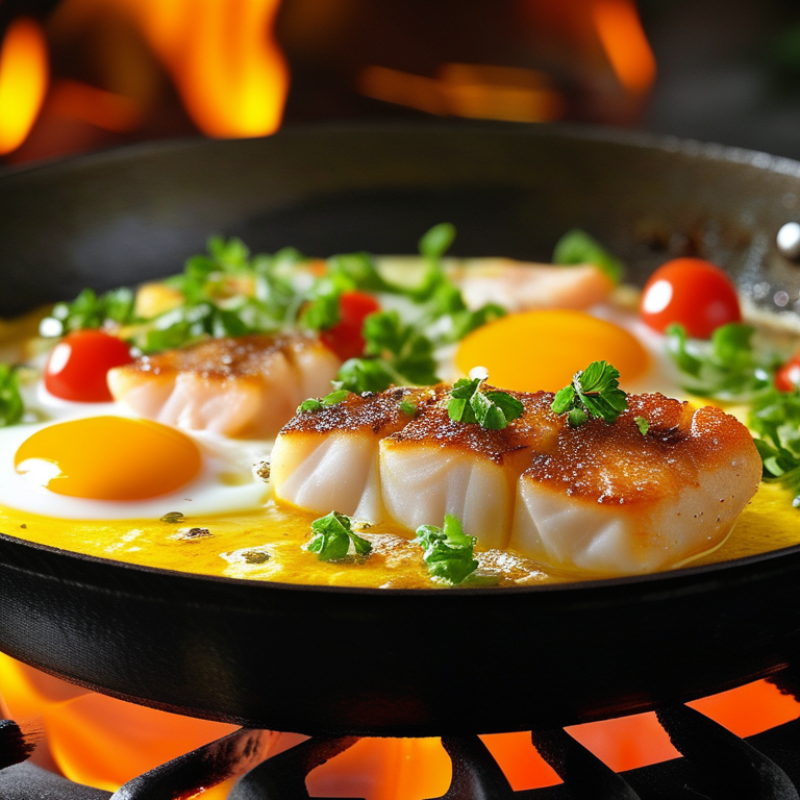
The physics of food adhesion to surfaces can be complex. When cooking, various factors contribute to why food sticks. One primary reason is surface texture. A rougher surface increases contact points, creating a stronger bond with food. This phenomenon is amplified when heat is applied, as it enhances molecular interactions.
Temperature plays a crucial role. When pans are too cool, food can stick due to moisture retention. A study from the American Chemical Society highlighted that non-stick surfaces work best at specific temperature ranges. When these surfaces exceed those temperatures, food can adhere more easily. Additionally, oils and fats create a barrier, reducing direct contact between the food and the pan.
Tips for preventing sticking include: always preheating your cookware properly. Ensure it is hot enough before adding any ingredients. Use adequate oil or fat to coat the surface well. Lastly, be mindful of the cooking process. Avoid flipping or stirring food too soon. Observing these practices can lead to a more enjoyable cooking experience.
When it comes to cookware, the materials used can significantly influence non-stick properties. Cast iron, for example, is naturally non-stick when properly seasoned. However, it requires maintenance and care. Stainless steel cookware, while durable, can often lead to food sticking. This happens when food isn't adequately heated or oiled.
Non-stick pans are convenient but can have a lifespan based on their coating. They perform best at low to medium heat. Using metal utensils can scratch the surface, leading to sticking over time. It’s important to consider how you use each type of cookware.
Tips for preventing sticking: Always preheat your pans before adding oil or food. This helps create a barrier. A simple water test can inform you. Add a few drops and observe how they behave. If they dance, the pan is ready.
Moreover, using enough fat can also help. A thin layer of oil or butter can work wonders. For cast iron, a regular seasoning process will enhance its non-stick properties. Remember, learning how to care for each type of cookware is essential for successful cooking.
| Cookware Type | Material | Non-Stick Properties | Care Instructions |
|---|---|---|---|
| Non-Stick Pan | Teflon-coated Aluminum | Excellent non-stick | Avoid metal utensils |
| Cast Iron Skillet | Seasoned Cast Iron | Fair, improves with use | Regular seasoning required |
| Stainless Steel Pan | Stainless Steel | Poor, food can stick | Preheat before use |
| Ceramic Cookware | Ceramic Coated | Good non-stick | Use moderate heat |
| Copper Pan | Copper with Stainless Lining | Good, but prone to sticking | Hand wash recommended |
Food sticking to cookware is a common frustration in kitchens worldwide. Several factors contribute to this issue. The type of cookware plays a significant role. Non-stick pans can reduce sticking, but wear and tear may affect performance. According to a report by the National Institute of Health, over 20% of home cooks experience sticking with various cookware types. Heat control is another critical factor. High temperatures can cause proteins in food to bond with the surface of the pan.
Another aspect to consider is leftover residues. For instance, oil build-up or food particles can create coating layers that lead to sticking. A survey conducted by the Culinary Institute revealed that 35% of chefs blame inadequate cleaning for sticking problems. Additionally, cooking techniques impact food behavior in pans. Searing meat too early or adding ingredients at the wrong time can contribute to sticking issues.
Tips: Always preheat your pan and add oil before placing food in. This simple step can create a barrier between the food and the pan. Experiment with different cooking oils, as some have higher smoke points than others. Lastly, use a spatula to gently release food as it cooks. This can help avoid unintentional tearing and sticking.
When cooking, food can stick to cookware due to various factors. Understanding these factors can help in minimizing adhesion. One of the primary reasons is insufficient heating. When a pan is not hot enough, food can cling to the surface. Pre-heating your cookware can help create a natural non-stick layer that enhances cooking.
Using adequate oil or fat is crucial as well. A thin layer can reduce stickiness significantly. However, overdoing it might lead to greasy results. There is a fine balance to strike. You might also want to focus on the materials of your cookware. For instance, non-stick surfaces can lessen the chances of food sticking. Yet, even among these, some perform better than others, leading to varying experiences.
Additionally, consider your cooking methods. Stir-frying and sautéing at higher temperatures can create a sear that prevents sticking. But beware of cooking foods for too long in one position, as they might bond with the surface. Experimentation is key. Even experienced cooks face challenges with food adhesion and must continually adapt their techniques. Remember, learning comes from both success and failure in the kitchen.
This chart shows the average food adhesion levels for various types of cookware on a scale from 1 to 10, where a lower number indicates less sticking. Non-stick cookware demonstrates significantly lower adhesion levels, making it ideal for frying and sautéing, whereas stainless steel tends to have higher adhesion levels.
Maintaining cookware is crucial for its longevity. Regular cleaning prevents food buildup, which can lead to sticking. Start by using a soft sponge and mild detergent. Avoid abrasive scrubbers, as they can damage the surface. Rinse thoroughly to ensure no soap residue remains. Even a small amount can affect cooking performance.
Another important aspect of maintenance is seasoning. For cast iron, applying a thin layer of oil after cleaning helps create a natural non-stick surface. This process takes time and care. It may not always yield perfect results, but patience pays off. Over time, your cookware develops a character of its own, reflecting your cooking habits.
Storage can also affect the lifespan of your cookware. Stacking items without protection can cause scratches. Use cloth or paper towels between pieces. This small step minimizes wear and tear. Remember, shiny new cookware doesn’t guarantee better results. Small imperfections can remind us of the journey each piece has taken. We learn to adapt and find the right techniques with each dish.
: Food often sticks due to surface texture and insufficient heating. Rougher surfaces create stronger bonds with food.
If pans are too cool, moisture retention causes food to stick. Proper temperature enhances cooking effectiveness.
Always preheat your cookware properly before adding ingredients. This creates a natural non-stick layer.
Oils create a barrier between food and the pan, which helps reduce sticking. However, too much can lead to greasiness.
Stir-frying and sautéing at high temperatures can create a sear that prevents sticking. Avoid cooking in one position too long.
Different cookware materials have varying non-stick properties. Some non-stick surfaces perform better than others.
Don't flip or stir food too soon. It may stick to the surface more easily if you do.
No single method guarantees non-sticking. Experimentation and adapting techniques are essential for improvement.
Yes, both successes and failures provide valuable lessons in the kitchen. Adapting is key to growth.
Practice is vital. Even experienced cooks face challenges and must refine their skills continuously.
Understanding "why does food stick to cookware" involves exploring the physics of food adhesion to different surfaces, which plays a crucial role in cooking. Various types of cookware, from stainless steel to non-stick surfaces, exhibit differing properties that influence how food behaves during cooking. Factors such as temperature, moisture, and the nature of the food itself can lead to unwanted sticking, making it essential to consider these elements in meal preparation.
To reduce food adhesion, preventative measures such as proper preheating, using adequate oils, and maintaining the correct cooking temperatures can be implemented. Additionally, regular cleaning and maintenance of cookware can enhance its longevity and performance, ensuring a more enjoyable cooking experience. By understanding the science behind food sticking, home cooks can make informed choices for better culinary outcomes.

Flair Kitchen