Cookware quality is crucial for both chefs and home cooks. Good cookware can impact the cooking process. This is why cookware quality is important. Poor quality materials can lead to uneven heating. Imagine a pan that doesn’t distribute heat well. Food might stick or burn in some areas.
Chefs rely on high-quality cookware to deliver consistent results. They need dependable tools that can withstand high heat. A flimsy pot might warp over time, affecting its performance. It’s not just about aesthetics; durability matters.
Home cooks benefit from quality cookware too. For those who cook often, it can make a big difference. An inexpensive pan might save money upfront but can cost more in the long run. Think about the frustration of a bad non-stick surface. It can ruin a meal and dampen your cooking spirit. Quality cookware is an investment in culinary success and satisfaction.
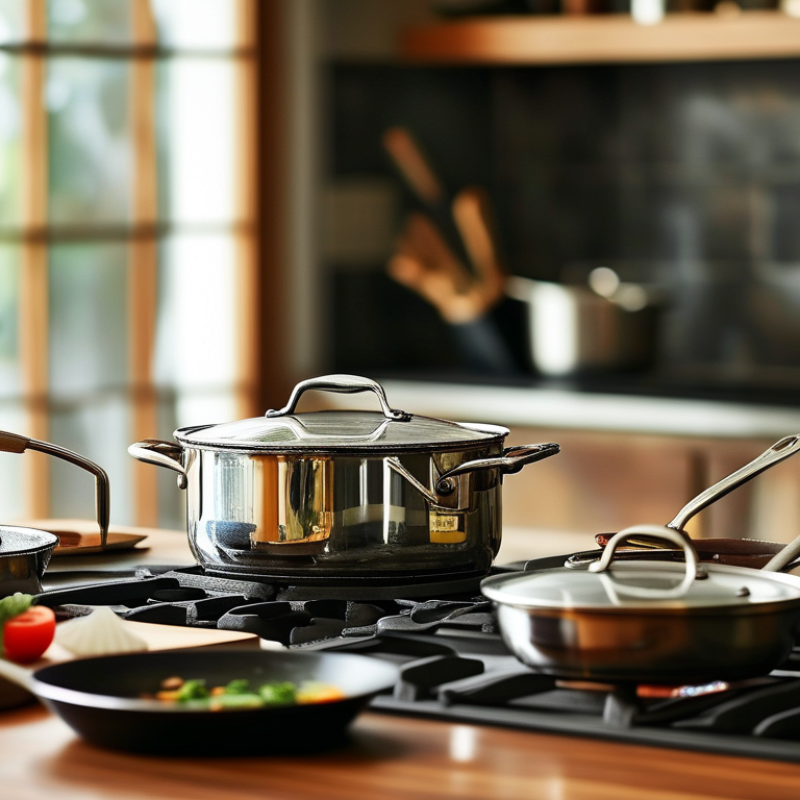
Cookware quality plays a vital role in culinary arts. For chefs and home cooks alike, the right tools can make or break a dish. High-quality pots and pans distribute heat evenly. This ensures consistent cooking results. When ingredients cook uniformly, flavors meld beautifully. However, inferior cookware often leads to uneven cooking and bland outcomes.
Moreover, durability is essential. Professional kitchens demand equipment that withstands daily wear and tear. Home cooks may not use their pans as frequently, but they still want longevity. Poor quality can lead to chips and scratches. This not only affects aesthetics but also impacts food safety. A scratched surface can harbor bacteria. Investing in durable cookware is a choice for health and flavor.
Texture matters too. Non-stick surfaces can simplify cooking and cleaning. However, some cheaper options wear off quickly. Cooks might have to replace them often, resulting in frustration. Selecting quality cookware involves balancing cost with performance. Not every cook has the same budget, and that's perfectly okay. Reflecting on what tools enhance individual cooking styles is crucial.
Cookware standards vary significantly between professional chefs and home cooks. Professionals often seek durability and heat distribution in their tools. They rely on materials that withstand high temperatures and frequent use. Non-stick coatings are less important for chefs who prefer to master the art of searing and deglazing.
Home cooks, on the other hand, may value cookware that is easy to clean and versatile. Many prefer lighter materials for ease of handling. However, this can sometimes result in sacrificing long-term durability. Chefs understand that high-quality materials, like stainless steel or heavy-duty cast iron, provide better cooking results and longevity.
Mistakes in cookware choice can lead to frustration. A poorly constructed pan can alter flavors and cooking times. This is where understanding the differences becomes essential. Investing in quality enhances cooking experiences for both chefs and home cooks. But not everyone has the same budget or cooking goals. Reflecting on personal needs can guide better decisions in cookware selection.
Cookware quality significantly impacts cooking results. Chefs and home cooks alike understand that the materials used can make or break a dish. Stainless steel, for example, is known for its durability and non-reactivity with acidic foods. This feature is vital for preserving flavors in sauces and marinades. However, it can be less forgiving with heat distribution, leading to hot spots.
Cast iron is another popular material. It retains heat exceptionally well, making it ideal for searing meats. Plus, with proper care, it develops a natural non-stick surface over time. Yet, it can be heavy and requires maintenance to prevent rust. Understanding these nuances helps cooks select the right tools for their culinary needs.
Non-stick coatings offer convenience, reducing the need for oils and making cleanup easier. But, they can wear out quickly and may not withstand high temperatures. Chefs must weigh these pros and cons carefully. Ultimately, the right cookware enhances efficiency and elevates the overall cooking experience. Each material presents unique challenges and benefits, urging cooks to continuously reflect on their choices and improve their craft.
The quality of cookware significantly influences how food is prepared and its ultimate taste. For chefs and home cooks alike, the right pans and pots serve as the foundation for success. A well-constructed pan distributes heat evenly, ensuring food cooks at the right temperature. This is essential for achieving the desired texture and flavor in dishes, especially delicate ingredients such as fish or sauces.
However, not all cookware meets this standard. Cheap materials can lead to hot spots, ruining an otherwise perfect recipe. A pan that warps or scratches easily can hinder performance, leading to a less enjoyable dining experience. A great dish can go unnoticed if it's not prepared in proper cookware.
Some cooks prefer trial and error, but failure can teach valuable lessons. It’s crucial to experiment with different materials and constructions. This can mean reassessing your tools and how they affect your cooking. Investing in quality cookware fosters confidence, elevating simple meals to extraordinary ones. Finding the right balance can be challenging, but understanding this relationship is key to culinary mastery.
| Cookware Type | Material | Heat Conductivity | Durability | Impact on Taste |
|---|---|---|---|---|
| Frying Pan | Stainless Steel | Good | Very Durable | Enhances flavor through even cooking |
| Saucepan | Copper | Excellent | Moderately Durable | Improves texture by precise temperature control |
| Baking Dish | Ceramic | Good | Durable if handled properly | Retains moisture, enhancing flavors |
| Stock Pot | Aluminum | Very Good | Good | Promotes even simmering for rich flavor |
Cookware quality is often overlooked, yet it plays a crucial role in cooking. Quality cookware enhances performance and safety in the kitchen. A sturdy pot will heat evenly, reducing the risk of burning food. Chefs know this well. They often invest in high-quality pieces that last. These items can withstand daily use without showing wear. Good cookware gives consistent results, making cooking enjoyable.
Investing in quality cookware is more than just spending money. It is about long-term value. Cheaper pans might save money upfront, but they can warp or degrade quickly. This leads to frequent replacements, ultimately costing more over time. A good skillet, properly cared for, can last decades. This durability means you spend less in the long run. A well-crafted pan can become an heirloom too.
Not everyone recognizes this. Some may buy flashy, expensive sets without understanding function. Visually appealing cookware can still perform poorly. The focus should be on the material and construction. Heavy materials distribute heat better. Poor-quality cookware can lead to frustration in the kitchen. Quality is an investment worth considering for both chefs and home cooks. Each cooking experience can be improved with the right tools.
: Professionals prioritize durability and heat distribution, while home cooks value ease of cleaning and versatility.
Stainless steel is durable and non-reactive, preserving flavors in sauces and marinades well.
Home cooks often sacrifice long-term durability for lighter materials, which can affect cooking results.
A poorly constructed pan can alter flavors and cooking times, leading to frustration.
Cast iron retains heat well for searing and develops a natural non-stick surface with care.
Non-stick coatings offer convenience but may wear out quickly and struggle under high temperatures.
Quality cookware enhances cooking experiences and improves efficiency for both chefs and home cooks.
Cooks should consider personal needs, cooking goals, and budget while choosing the right tools.
Each material presents unique benefits and challenges, urging cooks to adjust techniques for best results.
Cast iron needs care to prevent rust and maintain its non-stick surface, which can be demanding.
Cookware quality is crucial for both chefs and home cooks due to its direct impact on food preparation and taste. High-quality cookware, often made from superior materials, ensures even heat distribution, durability, and safety, which are essential for achieving optimal cooking results. Understanding the differences between professional and home cookware standards helps cooks appreciate the advantages of investing in better equipment.
The benefits of quality cookware extend beyond immediate cooking performance; they also represent long-term value and cost-effectiveness. While the initial investment may be higher, quality cookware typically lasts longer and enhances the culinary experience. Thus, understanding why cookware quality is important can lead to better cooking outcomes and ultimately more enjoyable meals.

Flair Kitchen