In recent years, non-stick cookware has gained immense popularity in kitchens worldwide. Many home cooks often wonder, "what are the benefits of non-stick cookware?" This type of cookware offers unique advantages that can significantly enhance your cooking experience. From easy food release to simplified cleaning, non-stick surfaces make daily cooking more efficient and enjoyable.
Non-stick pans reduce the need for excessive oils or fats. This feature appeals to health-conscious individuals who wish to lower their calorie intake while still enjoying flavorful meals. Additionally, these pans often heat evenly, which can result in better cooking outcomes. However, not all non-stick cookware is created equal. The quality can vary greatly among brands, and not all non-stick coatings are durable.
It's important to recognize that while non-stick cookware has many perks, it also comes with caveats. Some surfaces can scratch easily if not handled properly. Users must be mindful of utensils used with these pans. Ultimately, understanding "what are the benefits of non-stick cookware" involves weighing both advantages and potential drawbacks.
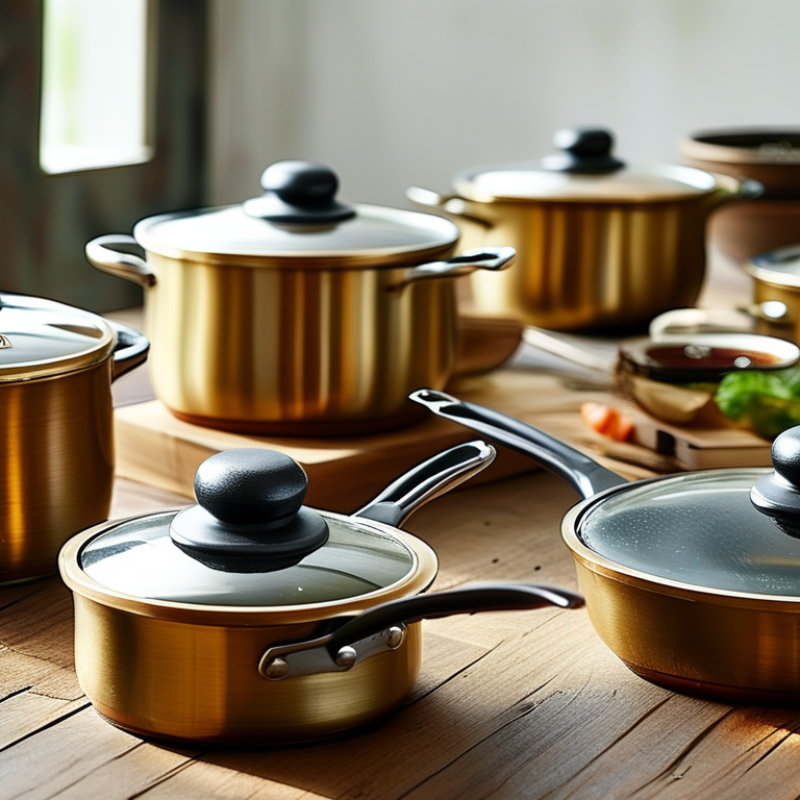
Advantages of Non Stick Cookware for Everyday Cooking
Non-stick cookware has transformed home cooking for many. One major advantage is its ability to reduce the need for cooking oils. This change makes meals healthier, promoting better dietary habits. Imagine frying eggs without butter or oil! The clean-up process becomes effortless. A simple wipe can keep your pots and pans looking new.
Another benefit is the even heating of non-stick surfaces. They distribute heat more uniformly, leading to perfectly cooked meals. This consistency can help avoid overcooked or burnt food, which often frustrates home cooks. However, improper use can lead to scratches, affecting the cookware's performance. It's essential to avoid metal utensils.
Durability is another consideration. High-quality non-stick cookware can last for years, but even the best can wear down. Regular inspections are necessary to ensure they remain safe for cooking. While non-stick cookware offers many benefits, a little care is needed. Understanding how to use and maintain these tools will enhance your cooking experience.
Health Benefits of Using Non Stick Cookware
Non-stick cookware has become a staple in many kitchens. One of the standout benefits is its ability to reduce the need for excessive oil or butter. This feature allows for healthier cooking options. When you use less fat, you can lower your calorie intake effectively. Many people find they still achieve delicious results without drowning their food in grease.
Another significant health benefit is the ease of cleaning. Non-stick surfaces require less scrubbing, which can be a relief for busy individuals. However, there can be concerns about scratching the coating over time. This raises questions about long-term safety and durability. It's essential to use utensils designed for non-stick cookware to maintain its integrity. Additionally, some people may have concerns about potential chemicals used in coatings. Ensuring you choose cookware that adheres to safety guidelines is vital.
On the flip side, relying heavily on non-stick surfaces might foster a lack of cooking skills. Sometimes, the thrill of searing or browning might be overlooked. The ease of non-stick cooking can lead to simple meals that lack complexity. This tool can encourage shortcuts, which might not always be ideal. Balancing the conveniences of non-stick cookware with traditional cooking methods could enhance your culinary skills and overall dining experience.
Health Benefits of Using Non-Stick Cookware
This chart illustrates the various health benefits associated with using non-stick cookware compared to traditional cookware. The data reflects insights on cooking ease, reduced oil usage, and overall health impact.
Cleaning and Maintenance Tips for Non Stick Cookware
Cleaning non-stick cookware requires care and attention. Proper maintenance ensures longevity and optimal performance. According to the American Cleaning Institute, many people overlook specific cleaning techniques that can enhance the lifespan of their cookware. For instance, using abrasive sponges can scratch the surface, compromising the non-stick layer. Instead, opt for soft sponges or cloths. This small adjustment can prevent the degradation of the cookware.
Additionally, it's vital to avoid high-heat cooking. Studies show that cooking at temperatures exceeding 500°F can damage non-stick coatings. Maintaining medium to low heat not only preserves the surface but also protects the food’s nutritional value. Many users often forget to check their utensils. Metal ones can cause scratches, yet many still use them without thought. Switching to silicone or wooden tools can make a significant difference, providing better protection for your cookware.
Regularly washing your non-stick pans in a mild soap solution can help keep them clean and safe. However, it’s essential to dry them completely before storing. Moisture can cause residue buildup, leading to a sticky surface over time. Many overlook this simple step, leading to more significant cleaning woes later on. Regular maintenance, paired with mindful usage, can extend the life of your cookware and improve your cooking experience.
Comparing Non Stick Cookware Materials: What's Best?
When it comes to non-stick cookware, material choice plays a critical role in performance and safety. Common options include Teflon, ceramic, and cast iron. Each comes with its own set of advantages and challenges. For instance, Teflon offers excellent non-stick properties, making cooking and cleaning easy. However, concerns about chemical safety and durability may be present, especially when cookware is overheated.
Ceramic cookware has emerged as a popular alternative. It’s often marketed as a safer choice, free from harmful chemicals. The durability of ceramic can be an issue, as it may chip or wear over time. Many users appreciate its aesthetic appeal and even cooking performance. Yet, one must consider that maintaining a ceramic surface requires careful handling.
Cast iron is another classic material known for its heat retention and even cooking. While it is not non-stick in the traditional sense, it can become so with proper seasoning. This method requires time and patience, reflecting the need for care in cookware maintenance. Yet, many find the flavor enhancement and durability of cast iron worth the effort. Each material has unique benefits and drawbacks, making informed choices essential based on individual cooking needs and priorities.
Safety Considerations When Choosing Non Stick Cookware
When selecting non-stick cookware, safety considerations are crucial. Many non-stick coatings are made from polytetrafluoroethylene (PTFE) and perfluorooctanoic acid (PFOA). Reports from the Environmental Protection Agency indicate potential health risks associated with these substances. Although PFOA has been largely phased out, concerns linger regarding its legacy in older products.
Research by the American Institute for Cancer Research suggests that exposure to certain chemicals commonly found in non-stick cookware may necessitate caution. Users should closely evaluate third-party testing certifications. Look for cookware verified to be free from harmful substances. In 2021, the Consumer Product Safety Commission highlighted that the best non-stick cookware options meet stringent safety guidelines.
Moreover, managing cooking temperatures can enhance safety. Overheating non-stick pans can release harmful fumes. Studies show that maintaining heat below 500°F minimizes risk. Washing non-stick surfaces with gentle detergents is also recommended, as abrasive cleaners can degrade the coating over time. When you choose non-stick cookware, opt for options that prioritize safety alongside performance.
FAQS
: Non-stick cookware allows for healthier cooking with less need for oil or butter.
By using less fat, individuals can effectively lower their calorie intake.
Use soft sponges, avoid high heat, and keep cookware dry to maintain performance.
Metal utensils can scratch non-stick surfaces, leading to reduced effectiveness.
It’s often marketed as a safer alternative without harmful chemicals.
Cast iron can become non-stick with proper seasoning, but it requires time and care.
Over-reliance might limit cooking skills and encourage shortcuts in meal preparation.
Cooking above 500°F can damage non-stick coatings and compromise safety.
Moisture can lead to residue buildup, creating a sticky surface over time.
Each material has unique advantages and challenges that suit different cooking needs.
Conclusion
Non-stick cookware offers a range of benefits for everyday cooking that make it a popular choice among home chefs. The primary advantages include easy food release and reduced need for cooking oils, which can lead to healthier meal preparation. When considering what are the benefits of non-stick cookware, one cannot overlook its ability to cook food more evenly and its significant contribution to a lower-fat diet. Additionally, non-stick surfaces simplify cleaning and maintenance, saving valuable time in the kitchen.
Health-wise, using non-stick cookware can reduce the likelihood of burnt food, which can harbor harmful compounds. However, it is essential to be aware of safety considerations, such as avoiding overheating and using appropriate utensils to maintain the cookware's integrity. Furthermore, there are various materials used in non-stick cookware, each with distinct properties, making it important to compare them to find the best option for individual cooking needs.

 Flair Kitchen